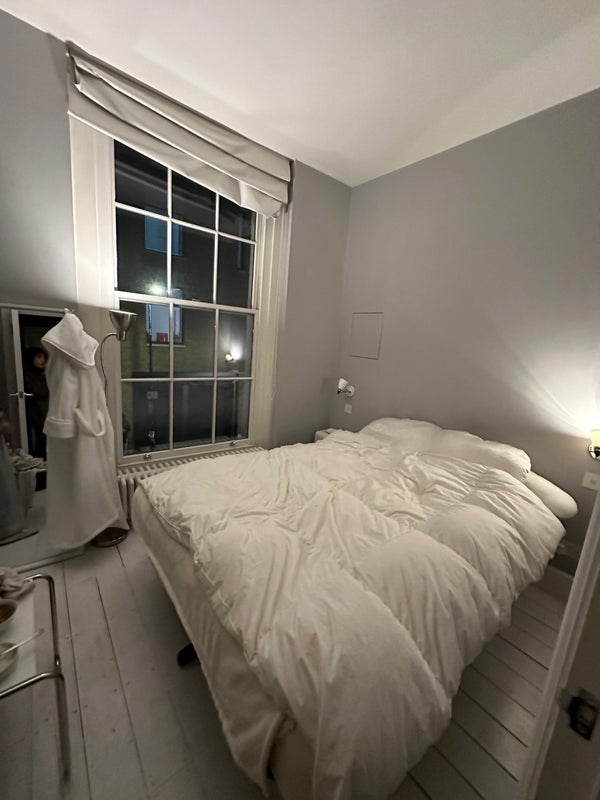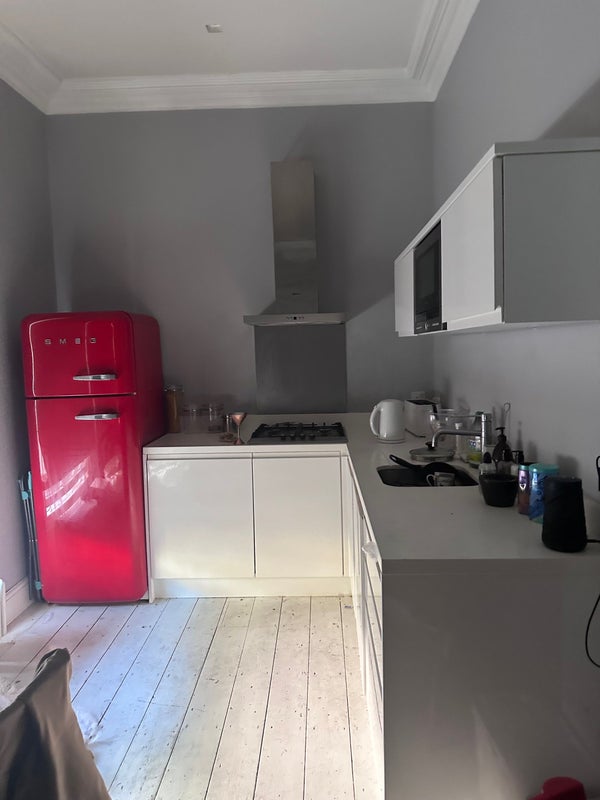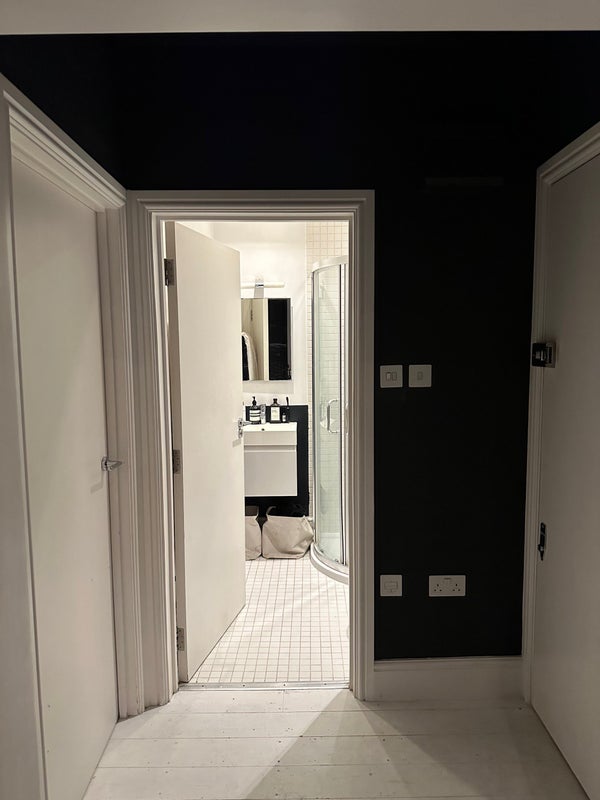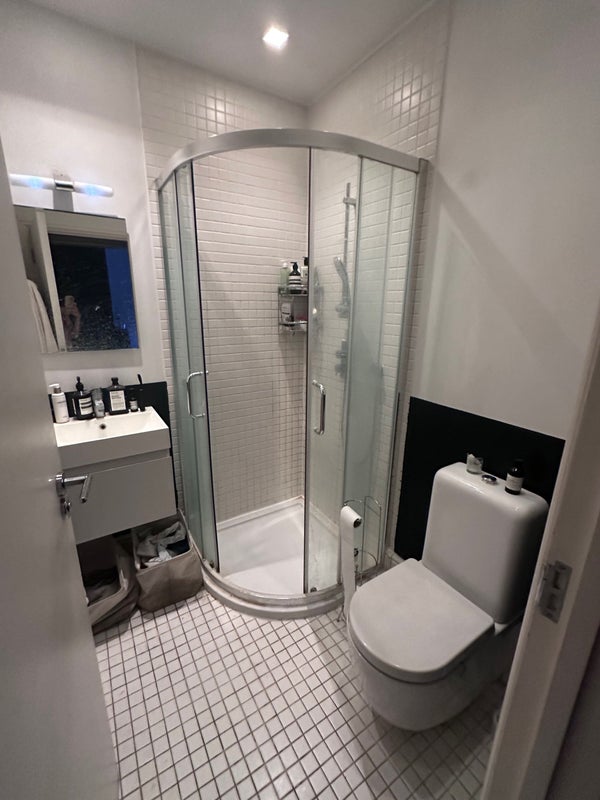
London is home to more than 40 universities and over 100,000 international students - more than almost any other city in the world. With that many students competing for a limited supply of rooms each year, finding the right place to live genuinely matters, both for your comfort and your studies.
At Gradding Homes, we've verified over 1,900+ student properties across London, from affordable en-suites in Zone 2 to fully self-contained studios a short walk from campus. Whether you're starting at UCL in September, joining King's College London mid-year, or still waiting on your visa decision, we'll help you find a safe, well-connected home that fits your budget - with expert guidance through every step.
Rooms in London start from £223 per week. Popular options near central universities book up quickly, so the earlier you start looking, the better your choices.
2604 Properties Found
currency
Duration Period
Gender Preferences
The most affordable student accommodation in London starts from around £223 per week, typically in shared en-suite rooms in properties located in Zone 2 or Zone 3. Areas like Greenwich, Wembley, Stratford, and Lewisham consistently offer lower weekly rents than central postcodes, while still being well-connected by Tube or DLR. If you're flexible on location and willing to be a 20–25 minute commute from your university, you can find good-quality accommodation significantly below the Zone 1 average.
Yes. Most purpose-built student accommodation providers in London do not require a UK-based guarantor. Many offer international guarantor services or accept advance rent payments (typically two to three months upfront) as an alternative. If you're unsure what's required for a specific property, contact Gradding Homes directly and we'll clarify the booking conditions before you apply.
There isn't a single best area — it depends on your university, your budget, and what kind of environment you want. That said, a few areas come up consistently. Islington and Shoreditch are popular for students at City University and UAL. Southwark and Waterloo suit LSE and King's College students. Bloomsbury is ideal for UCL students. Greenwich is well-priced and calm while still well-connected. If you're unsure, filter by your university on the Gradding Homes search and compare what's available within a 20-minute commute.
Most purpose-built student accommodation (PBSA) in London includes Wi-Fi, water, gas, and electricity within the weekly rent. This makes budgeting significantly easier, as your accommodation cost is a fixed figure each week. Private rented houses and flats through landlords typically do not include bills — you'd arrange and split these with your housemates separately. When comparing properties on Gradding Homes, the listing will specify whether bills are included.
For a September start, the best properties begin filling from January onwards. By April or May, the most popular options near UCL, KCL, and Imperial are often fully booked for the following academic year. If you're applying through UCAS and haven't confirmed your university place yet, many providers allow you to reserve a room with a small deposit and cancel without penalty if your plans change. The earlier you look, the more choice you have — even if you're not ready to commit immediately.
London consistently ranks among the top three student cities in the world, and it's easy to see why. International students make up 39% of undergraduates, 52% of postgraduates, and 53% of researchers studying here - so wherever you're coming from, you'll find a community that feels like home relatively quickly.
That said, the London rental market moves fast. University halls fill up well before the academic year starts, and private landlords rarely hold rooms for long. Most students - especially those arriving from abroad — find it far easier to book through a verified platform than to navigate the process alone.
Gradding Homes lists student accommodation in London near all the major universities, including Imperial College London, University College London (UCL), King's College London (KCL), London School of Economics (LSE), Queen Mary University, and London Metropolitan University, among others. Every property on our platform is verified - what you see in the photos and description is what you'll actually get when you arrive.
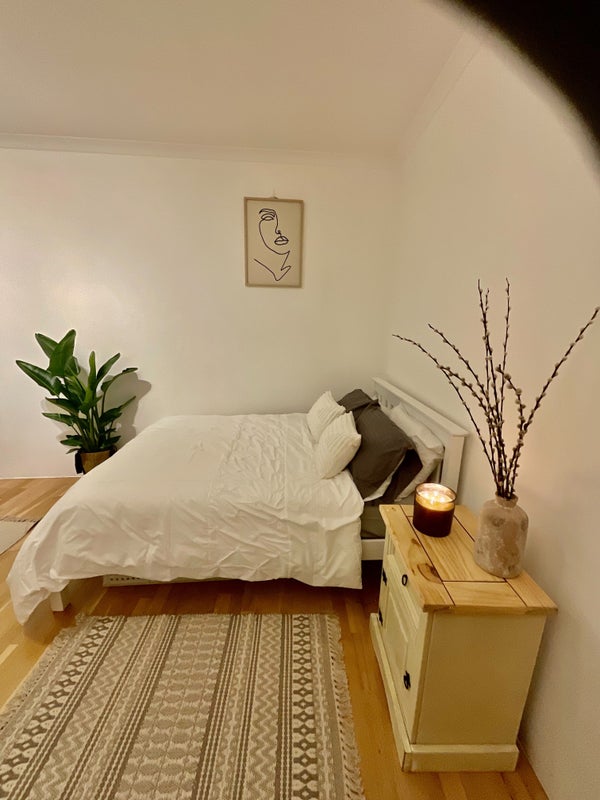
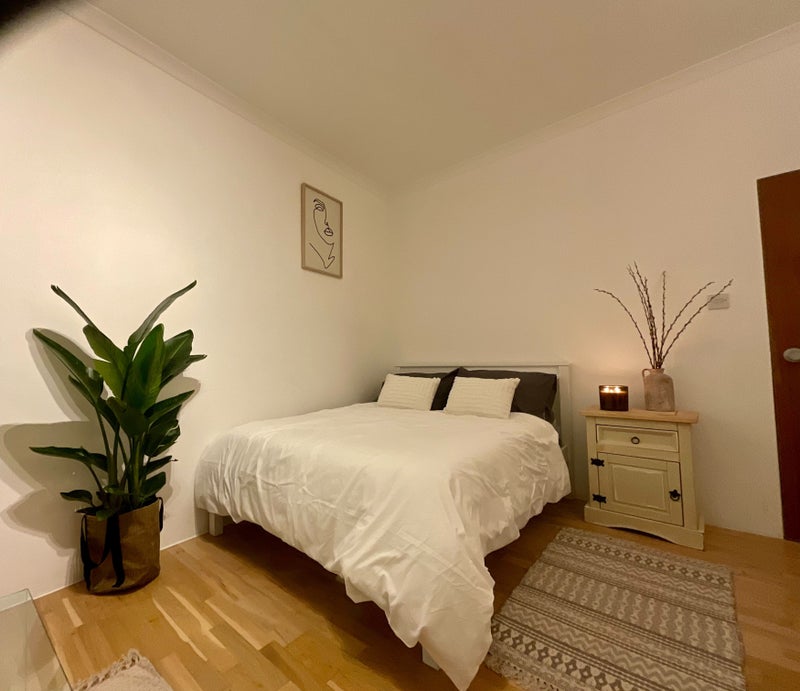
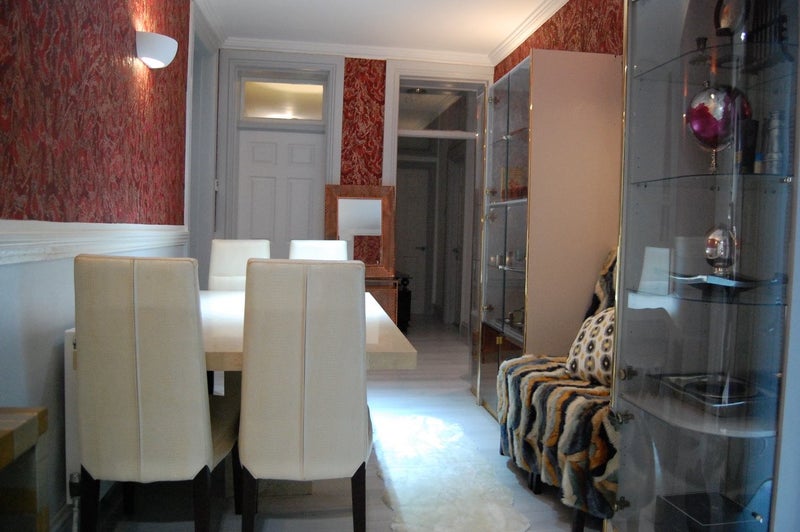
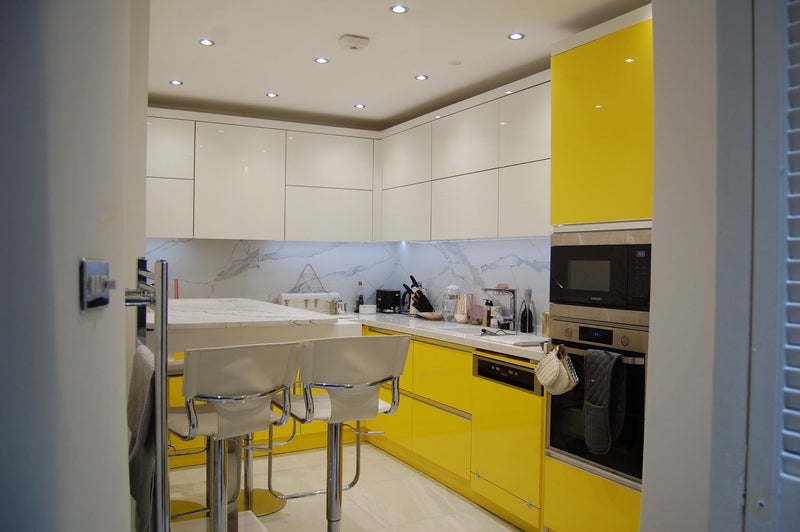
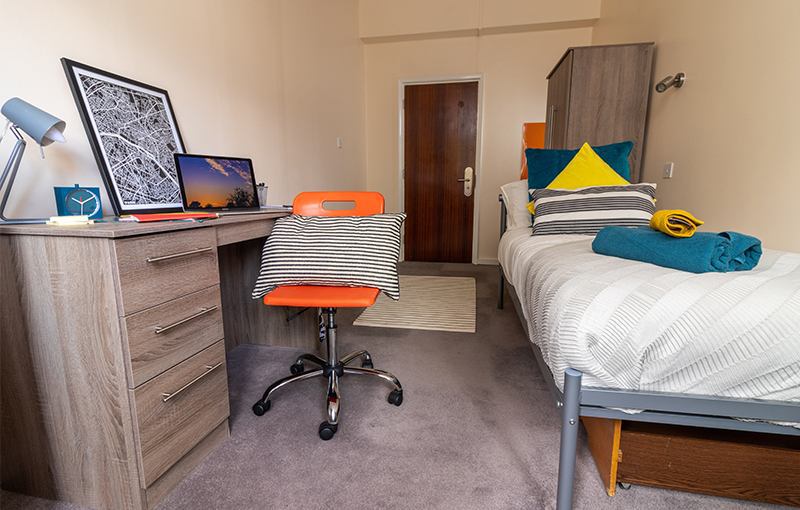
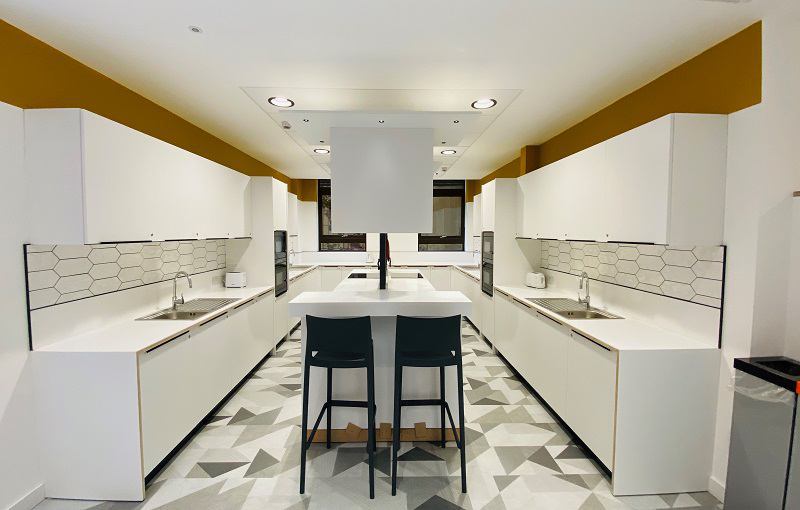
Room types available include studios, en-suites, non-en-suites, private rooms, and shared flats. Most properties come fully furnished with a desk and chair, high-speed Wi-Fi, kitchen access, and laundry facilities as standard. Some of the most booked options right now include Victoria Hall King's Cross, Spring Mews Vauxhall, and Romano Court - all well-rated by students and well-located for multiple universities.
London sits on the River Thames in southeast England and serves as the UK's political, financial, and cultural capital. It's also one of the most internationally diverse cities on the planet - over 300 languages are spoken here, and roughly one in three Londoners was born outside the UK. For international students, that mix makes settling in considerably easier than in smaller UK cities.
Academically, London punches well above its weight. Imperial College London ranks 2nd in the UK and 8th globally in the 2025 QS World University Rankings. UCL sits at 9th globally. King's College London and LSE are both consistently in the global top 50. Beyond the headline names, London has over 40 higher education institutions, meaning there's genuine breadth of choice - from specialist arts colleges to large research universities.
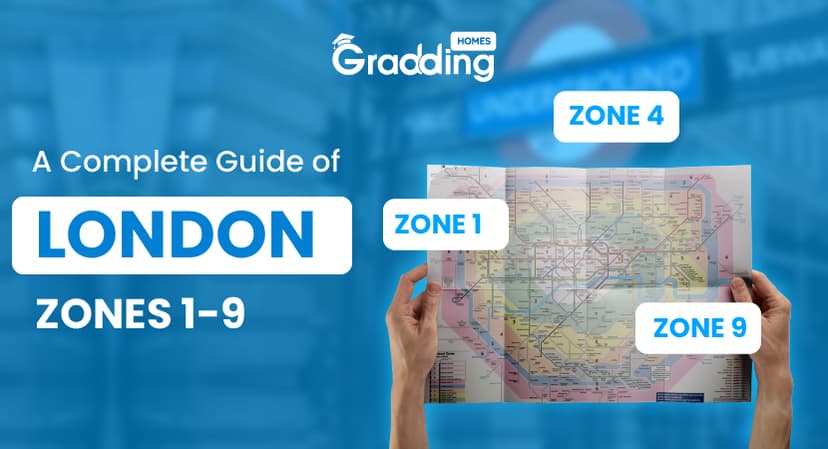
The city itself divides into Transport for London (TfL) zones, numbered 1 through 9 from the centre outward. Zone 1 covers the heart of the city - Waterloo, King's Cross, Liverpool Street. Most students look for accommodation in Zones 1 to 3, which keeps commute times reasonable without the higher rents of central postcodes.
For day-to-day life, London has almost everything within reach. The British Museum, Tate Modern, and National Gallery are all free. The South Bank and parks like Hyde Park and Victoria Park give you space to decompress. Markets in Borough, Brixton, and Portobello Road are good for affordable food shopping. And if you need a break from London entirely, St Pancras International connects you to Paris in just over two hours.
The practical case for studying in London is stronger than it might seem when you're weighing up the cost. Here's what students consistently point to once they're here.
Graduate employment outcomes are measurably better. London universities sit at the top of UK graduate employment tables, and the city's concentration of headquarters - in finance, law, media, tech, healthcare, and the public sector - means that internships and part-time work in your field are genuinely accessible during your studies, not just after.
The international student community is one of the largest in Europe. With 39% of undergraduates and over 52% of postgraduates coming from outside the UK, London's universities are among the most culturally mixed in the world. Finding people from your home country is easy. Meeting people from everywhere else is unavoidable.
Campus and city life overlap in a way that doesn't happen elsewhere. Most London universities don't have a single enclosed campus - they're woven into the city itself. UCL's buildings sit between Bloomsbury and Fitzrovia. KCL's campuses run from the Strand to Guy's Hospital. That means your university life and your London life aren't separate things.
Transport makes distance manageable. If you can't afford accommodation in Zone 1, Zone 2 or even Zone 3 is genuinely fine. A 20-minute Tube journey from Clapham or Stratford to central London is quicker than many people's commutes in smaller cities. The TfL network is good enough that where you live and where you study don't have to be adjacent.
There is always something to do that costs nothing. The British Museum, Natural History Museum, V&A, Tate Modern, National Gallery, and Science Museum are all permanently free. London's parks - Hyde Park, Regent's Park, Victoria Park, Hampstead Heath - are some of the best in Europe. The South Bank is free to walk along. Even without a budget, London gives you a great deal to work with.
London offers more variety in student housing than most UK cities - which is helpful, but can also make it harder to know where to start. Here's a plain-English breakdown of what each option actually involves, so you can match the type to what you need.
Managed directly by universities, halls are the most structured option and typically the first choice for first-year students. You'll usually get a furnished single room (en-suite or shared bathroom) in a building with other students from your university. Social events are common, and on-site support staff can help if you run into problems. The trade-off is that halls often have fixed contract lengths (usually the academic year) and less independence than private accommodation.
Most London university halls are oversubscribed. Don't assume you'll automatically get a place - apply as early as possible, and have a private option as a backup.
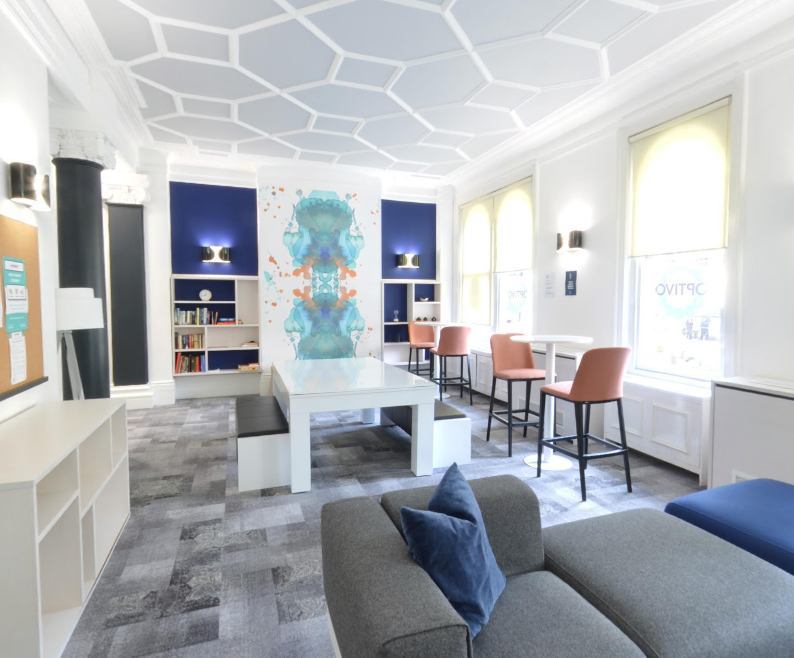
PBSA - privately developed buildings designed specifically for students - has become the most popular choice for students who don't get university halls or who prefer more independence. Buildings typically offer a mix of en-suite rooms, non-en-suites in shared flats, and self-contained studios. Amenities vary by property but commonly include communal study areas, a gym, laundry facilities, a common room, and 24/7 staff.
Bills are nearly always included, which simplifies budgeting considerably. Contract lengths are flexible - most providers offer 43-week, 46-week, 51-week, and short-stay options.
Renting a room in a shared house through a private landlord is typically the most affordable route in London, and it's the most common choice for second and third year students. You'll have your own furnished bedroom and share a kitchen, bathroom, and living area with other tenants. Bills are usually not included - you'll need to set up and split gas, electricity, and broadband between housemates.
This option offers the most flexibility and the lowest weekly rent, but it requires more organisation, and quality can vary significantly between landlords.
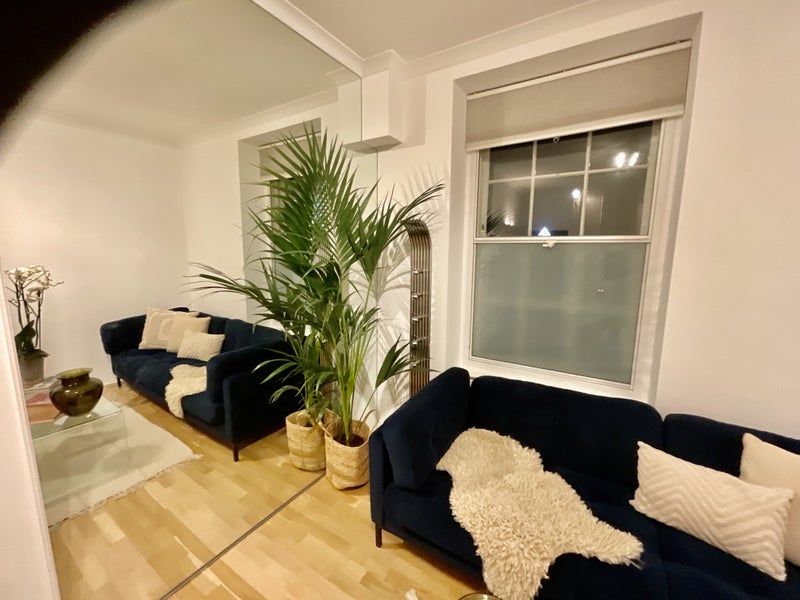
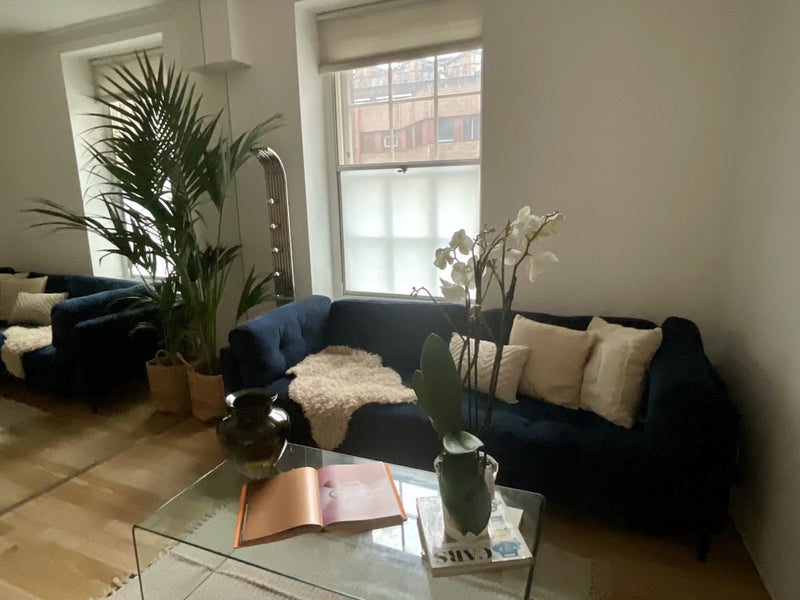
Self-contained studios give you a private bedroom, bathroom, and kitchenette - everything in one unit. They cost more per week than en-suites or shared rooms, but many students value the privacy and independence, particularly postgraduates or those who need quiet space to focus. Studios in outer zones can be surprisingly affordable.
Living with a host family in their London home is less common among university students but suits some - particularly those coming to London for language study or short courses. You'll typically have a private room and access to shared family spaces, and some homestays include meals. It's a good option for students who want a more settled, supported environment while getting to know the city.
In London, you will find a variety of student housing options near top universities that cater to different preferences. With a range of options, you can find private or shared apartments or student dorms that fit your lifestyle. Here are some of the best student accommodation in London near top universities:
Chapter King’s Cross is located in Central London, Zone 1, a few minutes from King’s Cross St. Pancras station. It is ideal for students attending UCL, SOAS, City University, KCL, and others. While living here, you can also get easy access to multiple Tube lines, buses, and national or international trains.
This is located in the lively Shoreditch area, offering easy access to food, entertainment, and transport links. Here, you can also get well-equipped rooms and excellent amenities like 24/7 gyms, cinema rooms, study spaces, and a strong social community, all designed for student life. The University of London, Bayes Business School, and the University of Law are within a short distance from Scape Shoreditch.
Situated in Hoxton, London, this student accommodation offers you easy access to many top universities like the University of Arts London and the London College of Fashion, just a 5-10 minute bus ride away. London Metropolitan University is also 15 minutes away with seamless access to various transport links like Old Street Station, placing it ideally for central London campuses.
Students choose this accommodation for its all-inclusive, premium lifestyle offering, focusing on convenience, strong security, and community, with benefits like breakfast, bills, housekeeping, 24/7 gym, regular events, superfast Wi-Fi, and proximity to universities like Goldsmiths, UCL, and Greenwich, fostering a supportive environment for both studies and social life.
The Glassyard Building is located in the prime location of Stockwell, which offers you easy access to the central area of the city via different transport links. This private student accommodation London is close to such universities as the University of Arts London (UAL) campuses, London South Bank University, King’s College London, Imperial College London, etc, providing you easy access to education.
London is one of the best cities in the UK where you can discover a range of student accommodations that cater to diverse needs. Whether you are looking for high-end, fully equipped, excellent en-suites or non-en-suites, there are the best options for you. Let’s explore the best options here.
This student accommodation is within walking distance or a short commute to top institutions like the Royal College of Music (RCM), Royal College of Art (RCA), Imperial College, London College of Fashion, and BIMM. It also features soundproof practice rooms, music studios, and open mic spaces, catering specifically to musicians and artists.
Students often consider the Chapter Islington Street, Market Rd, London, for its vibrant Islington location, proximity to major universities, excellent modern amenities (gym, cinema, study areas), strong social atmosphere with events, and convenient transport links, offering a trendy, safe, and well-connected student lifestyle in London. It also offers all-inclusive bills and 24/7 support, simplifying student life.
This student accommodation is located in the heart of East London, close to Liverpool Street Station, Shoreditch, Brick Lane, and Old Spitalfields Market, with easy access to universities. Features such as a sky bar, cinema, karaoke room, gym, study spaces, and a coffee bar create a resort-like environment. Besides, Chapter Spitalfields offers a diverse student body and hosts regular events, plus access to exclusive events at other locations.
Students choose The Stay Club North Acton for its convenient location near universities (like UWL), all-inclusive bills, fully-furnished private studios with kitchenettes, extensive amenities (gym, cinema, study spaces, rooftop terrace), strong security, and a vibrant, connected community, making it ideal for a hassle-free London student life with flexible contract options. It also provides you with excellent transport links for easy commutes and city access.
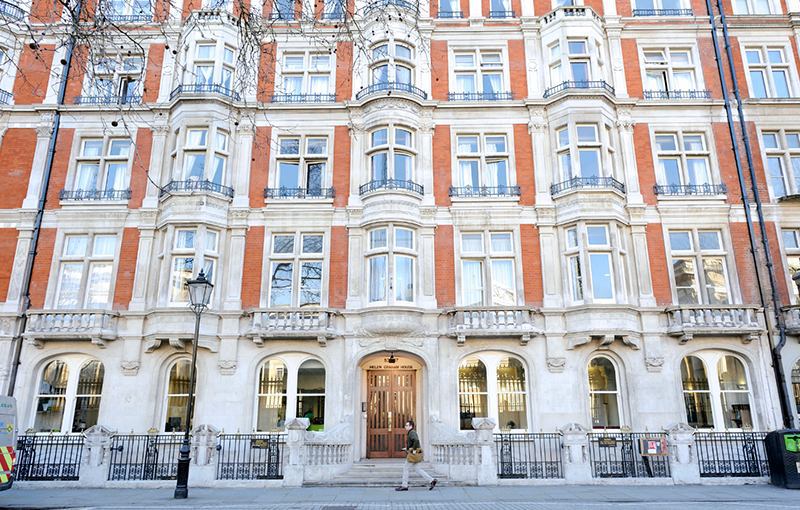
Many students choose Helen Graham House primarily for its prime central London location near major universities and attractions like the British Museum, offering convenience and walkability; its affordable, inclusive pricing (bills & Wi-Fi included); and a blend of security, essential amenities (launderette, kitchen, TV lounge, gardens), and a supportive, female-focused environment, making it great for international and budget-conscious students seeking a practical and safe base in the city.
Choosing the right area makes a real difference to your experience as a student in London. Rent, commute time, social scene, and proximity to your university all vary significantly by neighbourhood. Below are the five most popular areas for students, along with practical commute information so you can weigh up your options properly.
Camden is one of the most recognisable student areas in London — known for Camden Market, live music venues, and a social scene that stays lively year-round. It sits on the Northern Line, which gives you a direct connection to central London without changing trains.
For students at UCL, it's roughly a 10-minute Tube ride from Camden Town to Warren Street or Euston. Bus services along the A503 also connect you to Bloomsbury in about 15 minutes. Cycling takes around 12 minutes on the dedicated route through Regent's Park.
Weekly rents in Camden typically range from £280 to £380 for a standard en-suite, depending on the specific street and provider. It's not the cheapest part of London, but the transport links and atmosphere make it consistently popular.
Islington strikes a good balance between being genuinely central and slightly more liveable than Zone 1 postcodes. Upper Street is one of the better high streets in London for independent restaurants and cafes, and Angel station puts you on the Northern Line with quick access to the City and King's Cross.
Students at City, University of London find Islington particularly convenient — it's roughly a 5-minute walk from Angel station to the City campus. LSE students can reach Holborn in about 15 minutes by Tube. The Overground from Highbury & Islington connects you to Shoreditch and South London without going through central.
Weekly rents in Islington run from approximately £270 to £360 for a private room or en-suite in a student property.
Shoreditch has developed into one of London's most creative and digitally connected neighbourhoods over the past decade - which is part of why it appeals to students at arts, business, and tech-focused institutions. The area around Old Street and Shoreditch High Street has a good density of cafes and co-working spaces if you prefer studying outside your room.
For students at London Metropolitan University, it's a 5-minute Overground journey from Shoreditch High Street to Old Street. City, University of London is around 10 minutes by Tube. Queen Mary University (Mile End) is accessible via the District Line in about 15 minutes.
Weekly rents in Shoreditch are typically £260 to £370 for student accommodation, slightly lower than Camden or Islington for comparable room types.
Notting Hill is one of the more aesthetically distinctive parts of London — the pastel-coloured terraces along Pembridge Road are genuinely charming — but it also happens to be well-placed for students at west London institutions. Notting Hill Gate station sits on the Central, Circle, and District lines, which between them cover a significant portion of the city.
For Imperial College London students, the journey from Notting Hill Gate to South Kensington takes about 8 minutes by Tube. Royal College of Art and Royal College of Music students are similarly well-served. Bus routes along Holland Park Avenue reach a wide range of destinations within 20 minutes.
Rents here lean toward the higher end — expect to pay £290 to £400+ per week for student accommodation in this area.
Greenwich is worth considering if you value a slower pace of life alongside good transport connections. The area has a strong sense of identity — the Royal Observatory, Greenwich Park, the Cutty Sark, and the riverside all give it a character that's quite different from central London. It's consistently rated one of the safest areas in Greater London.
For students at the University of Greenwich, the campus is effectively on the doorstep. The DLR connects you to Canary Wharf in around 10 minutes and Bank station in about 20. Goldsmiths, University of London (New Cross) is accessible in about 15 minutes by bus or Overground.
Weekly rents in Greenwich are among the more affordable in inner London — typically £220 to £310 for verified student accommodation, making it a strong option for students on tighter budgets.
London's transport network, run by Transport for London (TfL), is one of the most comprehensive in the world — and for students, it's genuinely one of the city's practical advantages. Most university campuses in London sit within a short walk of a Tube station, and the bus network fills in the gaps well.
Understanding how the fare system works will save you money from day one.
Oyster Card & Contactless Payment All buses, the Tube, DLR, Overground, and TfL Rail accept either an Oyster card or contactless payment (bank card or phone). Pay-as-you-go fares are automatically capped each day and each week, so you'll never pay more than a daily or weekly Travelcard — even if you tap in and out many times. Always tap out after every Tube journey, or you'll be charged the maximum single fare.
18+ Student Oyster Card If you're studying at a London university, apply for an 18+ Student Oyster photocard through TfL. This gives you a 30% discount on weekly, monthly, and annual Travelcards and Bus & Tram Passes. It doesn't reduce pay-as-you-go fares, but for students commuting daily, a weekly Travelcard at the discounted rate is almost always cheaper than paying as you go.
The London Underground (Tube) The Tube has 11 lines and over 270 stations. For most Zone 1–2 journeys, you'll be on the Tube in under 25 minutes. Key interchange stations for students include King's Cross St. Pancras (Victoria, Piccadilly, Northern, Metropolitan, Circle, Hammersmith & City lines), Bank/Monument (Central, Northern, DLR, Waterloo & City), and Stratford (Central, Jubilee, DLR, Overground, Elizabeth line).
Buses London's bus network runs 24 hours a day, 7 days a week. A single bus fare is £1.75 with an Oyster or contactless card — and within an hour of your first tap, you can take as many bus journeys as you like for no additional charge (the "Hopper fare"). For journeys not well-served by the Tube, buses are often the most practical option.
DLR (Docklands Light Railway) The DLR is an automated light rail system covering east and southeast London — particularly useful for students at the University of Greenwich, University of East London, and those in Canary Wharf accommodation. It uses the same Oyster/contactless system as the Tube.
Cycling Santander Cycles (often called "Boris Bikes") are docked across central and inner London. The first 30 minutes of each ride is free with a day or annual membership. For journeys between 10 and 25 minutes, cycling is often faster than the Tube during peak hours. Most purpose-built student accommodations in London provide secure bike storage.
Near your student accommodation in London, there is so much to explore and things to do. It’s a great city for historical sites like the Tower of London, Buckingham Palace, and Westminster Abbey (with Big Ben & Houses of Parliament nearby).
Some popular cultural hubs are the British Museum and Tate Modern, iconic views from the London Eye and The Shard, and picturesque spots like Tower Bridge and Trafalgar Square, offering a mix of royal history, world-class museums, and modern city experiences.
London is consistently ranked as one of the more expensive cities in Europe for students, but the gap between a comfortable life and a stretched one often comes down to accommodation choice and location. A student living in Zone 2 with bills included in their rent will have a meaningfully different experience to one paying separately for utilities in a Zone 1 flat.
As a general guide, most students in London budget between £2,000 and £2,500 per month for all living costs including rent. Students in shared houses or rooms in outer zones can manage comfortably toward the lower end of that range. Those in private studios near central universities typically sit at the higher end.
Here's a realistic breakdown based on current London costs:
A few things worth knowing:
Most purpose-built student accommodation in London includes Wi-Fi, water, gas, and electricity in the weekly rent. If your property is bills-inclusive, you can remove the utility line above and redirect that budget elsewhere. It's worth checking this when comparing properties — a room that looks cheaper may cost more overall once utilities are added.
Students with a 16-25 Railcard save one third on train journeys outside London. An 18+ Student Oyster card gives a 30% discount on adult-rate Travelcards and Bus & Tram Passes — apply for this through TfL once you have your student ID. It makes a measurable difference to monthly transport costs, particularly if you're commuting daily.
Part-time work is common among London students. The UK student visa allows up to 20 hours per week during term time. Many cafes, bars, and retail jobs near university campuses are used to student schedules and offer flexible shift patterns.
You don’t have to follow a complicated process to book your student accommodation in London. With Graddinghomes, a few key steps can help you reach your dream home, which suits your budget and lifestyle. Here are the steps you need to follow.
Now, the final part, why only Gradding Homes for student accommodation in London? Finding the right place for living, where you are not familiar with the localities, areas, facilities, and current accommodation rates, is not a piece of cake. It is not just about living, it is about safety, comfort, and student support; here comes the role of Gradding Homes.
We bring trusted options for you which might be close to your university, having flexible payment plans, providing 24/7 support, and safe for your stay- all within your budget, that is why- Graddinghomes.com.
In essence, we aim to take the stress out of finding housing, letting students focus on their studies by providing a reliable and convenient accommodation in London for securing their home away from home.
We are available in :
LondonBirminghamNewcastleManchesterLiverpoolLutonPortsmouthPrestonLeicesterSheffieldBristolReadingDerbyEdinburghGlasgowNottinghamLeedsCanterburyBathSunderlandDisclaimer:logos and other registered trademarks of universities and properties used on this platform are held by their respective owners. Gradding Homes does not claim ownership or association on them, and their use is purely for informational and illustrative purposes.